一款帮助您顺畅运营、加强与家长联系,并腾出更多时间陪伴孩子的软件。
一个系统轻松管理整个学校。
预测、管理、跟踪,并提升咨询和出勤率。
让家长随时随地了解孩子的一天。
在一个平台上评估和考核员工表现。
选择合适的软件并不容易。但 LittleLives 不仅仅是软件,我们优先考虑您的独特需求。
这不仅仅关乎孩子的学习。获取我们为您、员工和家长提供的资源——完全免费。
我们与行业专家合作,为教育工作者和家长提供精心策划的内容和见解,激发他们的成长和关系。
终极学习中心:培训课程、播客、电子书等等! 通过我们精心策划的视频、播客、电子书和培训课程,探索知识世界
ECDA 与参与的中心合作,设计社区服务项目
通过活动、会议和社区进行全球联系! 参与不同社区、当地活动和全球会议,在全球范围内促进联系并建立持久关系。


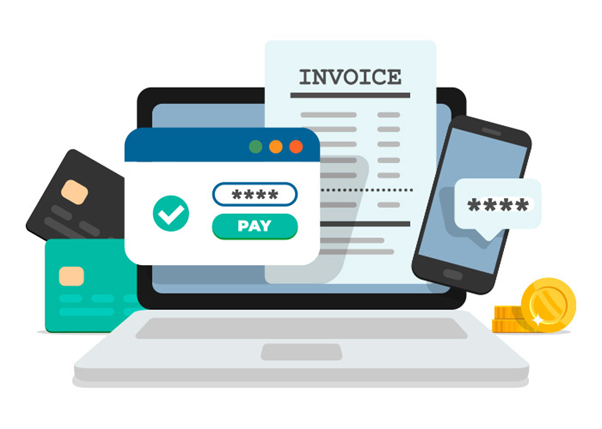
How Automation Can Reduce Workload and Improve Accuracy
For many finance administrators in education, the day-to-day reality isn’t strategy - it’s volume. Chasing payments, generating invoices, reconciling transactions, handling exceptions, preparing reports… and then doing it all over again the next month.
As schools grow, these processes don’t just scale - they compound. What used to be manageable becomes fragmented, manual, and increasingly error-prone. This is where the right system makes a difference - not by adding more tools, but by removing repetitive work through automation.
Moving Away from Manual Finance Operations
Many schools today still rely on a mix of spreadsheets, manual tracking, and disconnected systems. This often leads to: repeated data entry, inconsistent billing, inaccurate subsidy tallying, incorrect submissions, time-consuming reconciliation, and even delayed visibility into financial performance.
Instead of focusing on higher-value work, finance teams spend most of their time just keeping things running. A well-designed student management system like LittleLives’ changes that by automating core finance workflows end-to-end.
From our experience working with schools and education operators, strong systems like ours tend to solve a few key problems really well.
- Billing Should Be Automated, Not Managed Manually
Monthly invoicing shouldn’t feel like a recurring project. A robust system should allow you to:
- Automatically generate invoices based on configurable fees, subsidies, and discounts
- Handle different student profiles across centres without manual adjustments
- Issue receipts instantly once payment is made
This not only saves time, but also reduces the risk of inconsistencies that often come with manual processes.
- Payment Collection Should Be Frictionless
One of the biggest hidden inefficiencies is in how payments are collected and tracked. Finance teams often juggle: multiple payment channels, manual tracking, and follow-ups for overdue payments. A well-designed system simplifies this by:
- Supporting multiple payment methods (e.g., PayNow, GIRO, cards)
- Automatically reconciling payments
- Sending reminders without manual intervention
The result? Faster collections, fewer follow-ups, and clearer visibility.
- Compliance and Subsidy Tracking Should Be Built-In
Especially in regulated environments, compliance isn’t optional - it’s constant.
Finance teams need to ensure: accurate subsidy tracking, clear audit trails, and proper classification of funds.
For example, being able to automatically distinguish between different funding sources (such as government-supported accounts vs. private payments) can significantly reduce reconciliation effort and errors during audits.
- Exceptions Should Be Easy to Handle (Not a Nightmare)
In reality, finance isn’t just about standard flows; it’s about handling edge cases such as overpayments, deposits, refunds, and/or credit balances; and knowing exactly how to resolve them. A good system doesn’t just process payments - it manages exceptions gracefully, with:
- Clear approval workflows
- Credit offsets for outstanding invoices
- Structured refund processes
This is where many systems fall short, and where finance teams end up doing manual work again.
- Reporting Should Be Instant and Actionable
At any point in time, finance leaders should be able to answer key questions such as: What’s our revenue this month? What’s outstanding? How are subsidies being applied? Which center is spending the most? Where are we underperforming?
All this should be achievable without pulling data from multiple sources, or creating yet another pivot table.
Strong systems provide:
- Real-time financial reporting
- Clear breakdowns across centres and students
- Export-ready data for finance systems
This reduces dependency on manual reporting and speeds up decision-making.
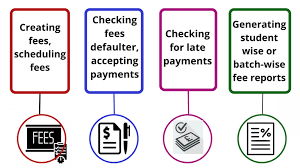
Choosing the right software isn’t just a technical decision - it’s a financial one. When the right systems are in place, finance teams spend less time chasing payments, fixing errors, and reconciling data. And more time planning, optimizing, and supporting growth. That’s the shift - from operational burden to strategic partner.
Because ultimately, the right system shouldn’t just support finance—it should enable finance to operate at a higher level.
If you’re currently evaluating systems or rethinking your setup, it may be worth exploring tools that are designed with finance workflows at the core, not as an afterthought.
👉 See how LittleLives helps schools streamline finance operations




 Singapore
 Malaysia
 Vietnam
 Indonesia
