Hệ thống phần mềm vận hành trơn tru, kết nối tương tác chặt chẽ với phụ huynh, hỗ trợ gia đình và nhà trường dành nhiều thời gian hơn cho bé.
Quản lý hệ thống trường học trên một nền tảng duy nhất
Dự đoán, quản lý, theo dõi, thêm ghi chú và điểm danh
Ứng dụng dành cho phụ huynh, dễ dàng theo dõi hoạt động học tập hàng ngày của con mọi lúc mọi nơi
Đánh giá và quản lý hiệu quả nhân sự trên một nền tảng
Lựa chọn một phần mềm phù hợp không hề dễ dàng. LittleLives không chỉ là phần mềm, chúng tôi ưu tiên giải quyết những nhu cầu của nhà trường.
Có rất nhiều lựa chọn phần mềm thay thế, nhưng LittleLives thực sự nổi bật!
Từ những cơ sở tới các chuỗi trường lớn, LittleLives sẵn sàng hỗ trợ các trường ở mọi phân khúc và quy mô
Chúng tôi tin rằng, việc áp dụng công nghệ tiên tiến sẽ tạo ra những trường học thông minh hơn, những giáo viên, gia đình và những đứa trẻ hạnh phúc hơn
Không chỉ hướng tới việc học của trẻ, hãy tìm hiểu những tài liệu dành cho bạn, cho giáo viên và cả phụ huynh - hoàn toàn miễn phí!
Hợp tác cùng các chuyên gia trong ngành, chúng tôi mang đến các nội dung chọn lọc và những góc nhìn sâu sắc dành cho giáo viên và phụ huynh, truyền cảm hứng cho sự phát triển và gắn kết.
Nền tảng Học tập Tối ưu: *Các khóa đào tạo, Podcast, Sách điện tử* và nhiều hơn nữa!
Dự án thực hiện bởi ECDA, hợp tác với các trường học để thực hiện những dự án phục vụ cộng đồng.
Kết nối với các cộng đồng đa dạng, sự kiện địa phương và hội nghị toàn cầu, tạo dựng mối liên kết và xây dựng các mối quan hệ bền vững trên toàn thế giới.



How Automation Can Reduce Workload and Improve Accuracy
For many finance administrators in education, the day-to-day reality isn’t strategy - it’s volume. Chasing payments, generating invoices, reconciling transactions, handling exceptions, preparing reports… and then doing it all over again the next month.
As schools grow, these processes don’t just scale - they compound. What used to be manageable becomes fragmented, manual, and increasingly error-prone. This is where the right system makes a difference - not by adding more tools, but by removing repetitive work through automation.
Moving Away from Manual Finance Operations
Many schools today still rely on a mix of spreadsheets, manual tracking, and disconnected systems. This often leads to: repeated data entry, inconsistent billing, inaccurate subsidy tallying, incorrect submissions, time-consuming reconciliation, and even delayed visibility into financial performance.
Instead of focusing on higher-value work, finance teams spend most of their time just keeping things running. A well-designed student management system like LittleLives’ changes that by automating core finance workflows end-to-end.
From our experience working with schools and education operators, strong systems like ours tend to solve a few key problems really well.
- Billing Should Be Automated, Not Managed Manually
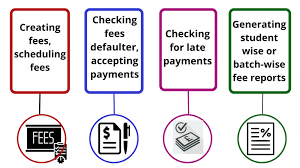
Monthly invoicing shouldn’t feel like a recurring project. A robust system should allow you to:
- Automatically generate invoices based on configurable fees, subsidies, and discounts
- Handle different student profiles across centres without manual adjustments
- Issue receipts instantly once payment is made
This not only saves time, but also reduces the risk of inconsistencies that often come with manual processes.
- Payment Collection Should Be Frictionless
One of the biggest hidden inefficiencies is in how payments are collected and tracked. Finance teams often juggle: multiple payment channels, manual tracking, and follow-ups for overdue payments. A well-designed system simplifies this by:
- Supporting multiple payment methods (e.g., PayNow, GIRO, cards)
- Automatically reconciling payments
- Sending reminders without manual intervention
The result? Faster collections, fewer follow-ups, and clearer visibility.
- Compliance and Subsidy Tracking Should Be Built-In
Especially in regulated environments, compliance isn’t optional - it’s constant.
Finance teams need to ensure: accurate subsidy tracking, clear audit trails, and proper classification of funds.
For example, being able to automatically distinguish between different funding sources (such as government-supported accounts vs. private payments) can significantly reduce reconciliation effort and errors during audits.
- Exceptions Should Be Easy to Handle (Not a Nightmare)
In reality, finance isn’t just about standard flows; it’s about handling edge cases such as overpayments, deposits, refunds, and/or credit balances; and knowing exactly how to resolve them. A good system doesn’t just process payments - it manages exceptions gracefully, with:
- Clear approval workflows
- Credit offsets for outstanding invoices
- Structured refund processes
This is where many systems fall short, and where finance teams end up doing manual work again.
- Reporting Should Be Instant and Actionable
At any point in time, finance leaders should be able to answer key questions such as: What’s our revenue this month? What’s outstanding? How are subsidies being applied? Which center is spending the most? Where are we underperforming?
All this should be achievable without pulling data from multiple sources, or creating yet another pivot table.
Strong systems provide:
- Real-time financial reporting
- Clear breakdowns across centres and students
- Export-ready data for finance systems
This reduces dependency on manual reporting and speeds up decision-making.
Choosing the right software isn’t just a technical decision - it’s a financial one. When the right systems are in place, finance teams spend less time chasing payments, fixing errors, and reconciling data. And more time planning, optimizing, and supporting growth. That’s the shift - from operational burden to strategic partner.
Because ultimately, the right system shouldn’t just support finance—it should enable finance to operate at a higher level.
If you’re currently evaluating systems or rethinking your setup, it may be worth exploring tools that are designed with finance workflows at the core, not as an afterthought.
👉 See how LittleLives helps schools streamline finance operations




 Singapore
 Malaysia
 Vietnam
 Indonesia
